
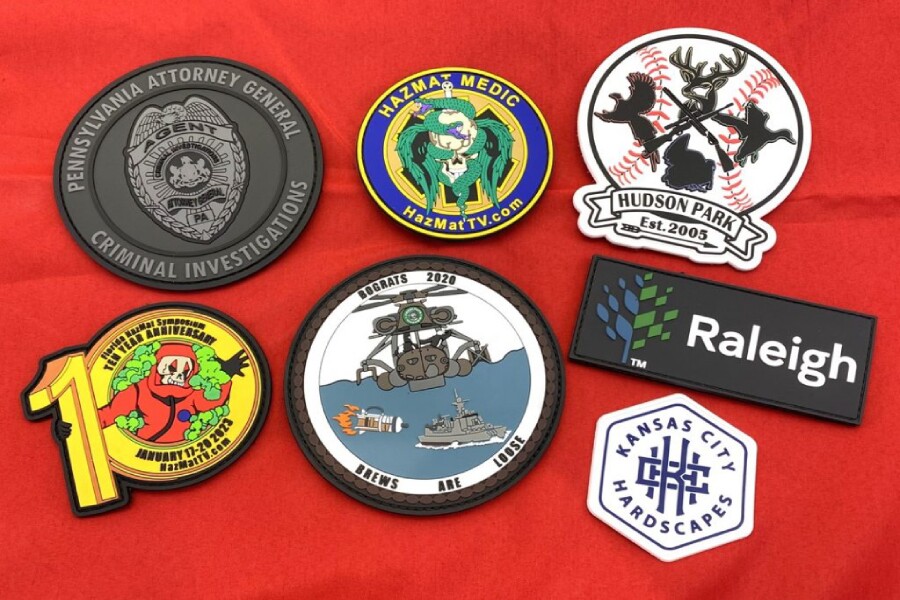
How to Attach PVC Patches with Velcro, Adhesive, or Sewing
PVC patches are rubber-like emblems that are popular for their durable and flexible nature. However, attaching PVC patches isn’t just about making them stick; it’s about choosing a method that matches how you plan to use the item!
So if you are adding branding to a tactical backpack or a piece of outdoor gear, you need to ensure that it lasts and shines on your clothing. Keep reading to know about the three primary ways to attach PVC patches:
- Velcro
- Adhesive
- Sewing
And get all the help you need to decide which is best for your specific project!
What Are The Best Techniques To Attach A PVC Patch?
Attaching your PVC patch the right way is necessary to ensure that it maintains its longevity. Let’s take a look at all the methods you need to know about before placing an order for PVC patches Canada.
1. The Adhesive Method- Best for Hard Surfaces
If you are attaching a PVC patch to something that isn’t fabric, like a laptop case or a toolbox, then adhesive is your best friend!
Step-by-Step Method To Attach A PVC Patch
- Clean both surfaces with rubbing alcohol
- Apply a thin layer of adhesive to the back of the patch
- Press the patch down and hold it for 30
Remember, choosing the right glue matters! PVC is a non-porous material, meaning regular school glue or craft glue won’t work. You will need a flexible, industrial-strength adhesive.
Pros And Cons Of The Adhesive Method
Take a look at the pros and cons associated with the adhesive method.
| Pros | Cons |
| Easy application | Limited durability |
| Time saving | Sensitivity to regular washing |
| Versatility in fabrics | Fabric restrictions |
| No visible stitches | Can be messy at times |
2. The Velcro Method- Best for Versatility
Velcro (Hook and Loop) is the most popular choice for PVC patches, especially in tactical, military, and sports industries. It allows you to swap patches in seconds without damaging the fabric.
Here is how it works:
Most PVC patches come with a rigid, hook side that is already permanently molded or stitched onto the back of the patch.
You then attach it to the soft part, the loop side, which is located on your garment.
Step-by-Step Method To Attach A PVC Patch
- Look for the soft, fuzzy patch area on your gear.
- Align and press the Velcro patches firmly.
- Give it a light tug to ensure the hooks have caught the loops properly.
Pros And Cons Of The Velcro Method
Take a look at the pros and cons associated with the Velcro method.
| Pros | Cons |
| Easy to swap | Adds thickness |
| Washable | Requires maintenance |
| Extremely durable | Needs a loop field on the garment |
| No fabric damage | Not completely permanent |
3. The Sewing Method- Best for Permanent Security
Sewing is the gold standard if you want your patch to stay put forever, especially on workwear or uniforms that go through heavy industrial washing!
Step-by-Step Method To Attach A PVC Patch
- Use a tiny dab of fabric glue or a pin to hold the patch in place
- Use a heavy-duty thread such as polyester or nylon thread
- Create a standard straight stitch through the sewing groove
This method is ideal for heavy fabrics such as canvas and denim.
Pros And Cons Of The Sewing Method
Take a look at the pros and cons associated with the sewing method.
| Pros | Cons |
| Extreme durability | Time-consuming process |
| Compatible with all fabrics | Requires basic sewing skills |
| Wash resistance | PVC is stiff; it’s tough to pass a needle through |
| Gives a professional and clean look | Sewing creates tiny, permanent holes |
Quick Comparison Table- Which One Should You Use?
Still confused? Take a look at this table to get a better idea of attaching your custom patches Canada.
| Feature | Velcro | Adhesive | Sewing |
| Permanence | Removable | Permanent | Permanent |
| Skills level | Beginner | Intermediate | Advanced |
| Best For | Tactical gear, Hats | Hard surfaces, Luggage | Uniforms, Jackets |
| Durability | High | Medium | Very high |
What Are Some Maintenance Tips For PVC Patches?
The right application is the first step to protecting your patches. After that, you also need to take care of your patches by following a few maintenance steps. These are:
- Cleaning
Use a damp cloth with mild soap. PVC is waterproof, so you don’t have to worry about the colors bleeding!
- Heat Warning
Never put PVC patches in a high-heat dryer. The heat can warp the plastic or weaken the adhesive/Velcro bond.
- Storage
Store patches flat. If they are left bent for too long, there is a high chance that they can lose their flat shape!
FAQS
Can I iron on a PVC patch?
You can, but it is risky. PVC is a form of plastic and can melt under high heat. If your patch has a heat-seal backing, always use a low heat setting and a thick cloth like a pillowcase between the iron and the patch.
Will the adhesive ruin my clothes?
In some cases, yes! Most industrial glues used for PVC are permanent and will leave a residue or stiff spot on fabric if the patch is ever removed. Sewing or Velcro is much safer for your clothes.
Is Velcro better than sewing for outdoor gear?
Velcro is better if you want to remove the patch to clean the gear or hide your identity/branding in certain situations. Sewing is better if you are worried about the patch getting snagged on the brush or equipment and falling off.
Wrapping Up
Selecting the right attachment method for your PVC patches depends entirely on your lifestyle and the gear you use. If you value flexibility and want to swap styles daily, Velcro is the undisputed winner. If you need unshakeable security, sewing is the only way to go. And for those non-fabric surfaces like laptops or gear cases, a high-quality adhesive provides a sleek, permanent finish!
No matter which path you choose, the durability of PVC ensures your branding or personal style will look crisp and vibrant for years to come.

I am a creative blog writer at EmbroideredPatch.ca, where I share the blogs about expert insights, design tips, and the latest trends in custom patches and promotional branding. Our goal is to help businesses, clubs, and individuals turn their ideas into high-quality embroidered creations. Our content is written to uncover behind-the-scenes production knowledge, highlight expert design techniques, and share practical tips that help you create patches with confidence and creativity.