
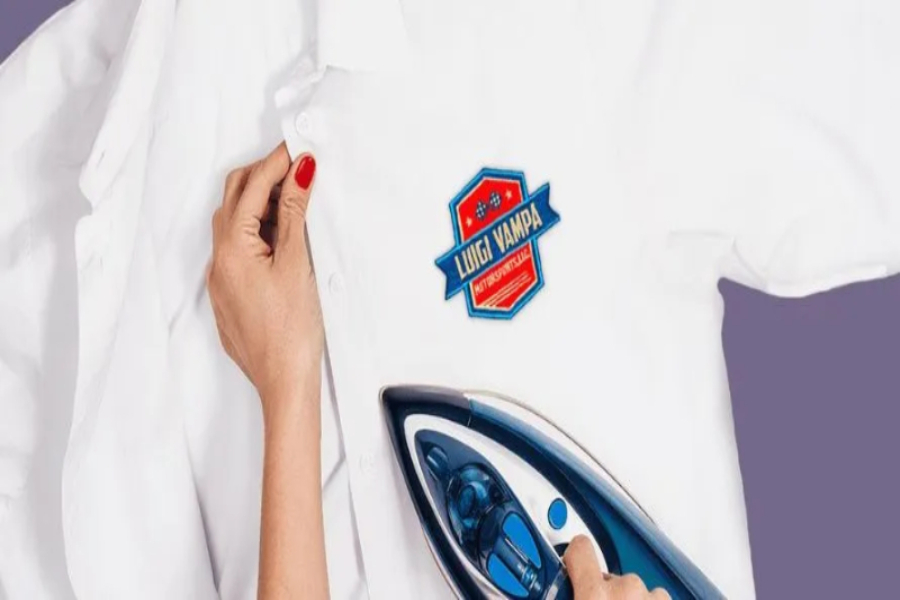
How to Apply Iron On Patches For a Strong and Clean Finish
Are you a fan of wearing patches but fear to fall it off? Applying badges adds a touch of charm to an individual’s personality, so you need to attach them with a clean finish. Iron on patches are the fastest application for attaching the emblems to clothes or accessories. In this blog, you will know how to correctly apply iron-on patches with a clean and strong finish.
Have you ever seen a patch get ruined just after one wash? People will not admit it, but it often happens to them. Wearing a badge is good, but once it falls, it can spoil all the hard work. If you want your emblem to be more durable and long-lasting, it requires more attention to the process.
What Are Iron-On Patches?
Iron-on patches are the functional and decorative pieces of fabric that have a heat-activated adhesive backing, which makes the bond between the badge and the fabric when heat and pressure are applied. They are a quick way to embellish, repair, or personalize the garments just by attaching them to the fabric through ironing without any stitching.
They have an adhesive backing that provides secure attachment. It is ideal for cotton and denim fabrics. You can easily apply these types of emblems at home and can perfectly use them to customize bags, hats, or jackets. It is the easiest and fastest application for bulk requirements that most brands use for their embroidered patches Canada.
Materials You Need To Apply Iron-On Patches
Before the application of iron-on patches, every material you require must be prepared. It prevents the damage and last-minute hustle to find things. Below are the materials you need to apply iron-on badges.
- Iron-on Patch: First thing you need to customize is to buy an iron-on patch that you want to apply. It should have a shiny and heat-activated adhesive.
- Garment: You should use the fabric of the garments that can handle heat well, like denim or cotton. Avoid heat-sensitive fabrics like nylon, leather, or vinyl.
- Pressing Cloth: For pressing, choose a thin towel, parchment paper, or cotton handkerchief to protect the cloth and badge from direct or excessive heat.
- Household Iron: Pick a working iron that manages the temperature and ensures that the steam is off.
- Ironing Board: Use a flat, sturdy, and heat-resistant surface to iron the emblem over the board.
Step-By-Step Guide to Apply Iron-On Patches
One of the huge benefits of iron-on badges is that they are easy to apply, and anyone can use them. The following is the process of step-by-step guide to attaching the iron-on emblems without sewing.
1. Prepare Your Fabric and Patch
The garment on which you want to apply badges should be clean, dry, and wrinkle-free. Lay the fabric on a clean, firm, and heat-resistant board or surface. Get your emblem from an iron-on patches services and make sure it is clean, having no dust or rough material.
2. Set the Correct Iron Temperature
It is time to preheat the iron at the highest temperature that is safe and suitable for your patch and fabric. 350°F is appropriate for cotton or durable fabrics. Turn off the steam setting on the iron, as moisture prevents the adhesive from making a bond.
3. Position the Patch on the Fabric
Once the heat begins, it cannot be changed, which is why it is crucial to properly place the patch on your fabric first. Position the fabric at the desired location, adhesive side down, against the fabric. You can use a small piece of heat-safe tape to hold it in place if it is needed.
4. Apply Iron and Pressure It from the Front
Place a thin pressing cloth on the emblem and use the preheated iron on that cloth over the patch. Apply the firm pressure slightly downwards and do not move the iron back and forth, as it can spread the adhesive unevenly. Hold the iron and press it for around 30 to 45 seconds or more for thicker badges.
5. Apply Heat from the Back
Turn the garment inside out and ensure the patch area remains flat. Place the iron on the back and press it for another 30 seconds to ensure the adhesive penetrates deeply into the fabric fibers for a strong bond.
6. Cool It Completely and Check the Bond
After the ironing process, remove the iron and allow it to cool completely for around 5 to 10 minutes. The adhesive will set during this cooling process. Once it gets cooled, tug the edges from the corners to test the bond. If it lifts, repeat the pressing process until it gets attached firmly.
Pro Tips for Longevity
Sometimes you will feel the morale patches Canada is attached strongly to the fabric, but over time, it gets peeled off. You can follow the tips below for a more durable effect.
- Stitching: Use hand stitching or machine zig-zag stitching after the ironing process for the fabrics that require frequent washing for a more stable badge.
- Proper Wash: Wash it inside out with cool water and gentle care. Ensure to wait for 24-48 hours before the first wash.
- Avoid Dry: Don’t use a drying machine for the emblems, as heat can weaken the adhesive over time. Prefer air drying for them.
- Prevent Fabric Softeners: Avoid softeners to use on the emblem, as they can prevent the adhesive bond from effectively forming.
Common Mistakes You Should Avoid
People often make little mistakes while applying the patches on the fabric, which breaks the appearance or makes it fall early. Here are common pitfalls you should avoid.
- Sliding the iron instead of pressing
- Washing too early
- Using steam
- Applying to the wrong fabric
- Cheap adhesive backing
Frequently Asked Questions
-
What temperature should you use for iron-on patches?
The right temperature of the iron for applying patches depends on the type of emblem and fabric, and should not lead to melting, bubbling, or peeling. Cotton usually requires 350°F, and polyester needs 275°F for iron-on badges to avoid steaming.
-
Can I sew on the iron-on patches for extra durability?
Yes, many brands do this. You can easily sew on the badges after ironing them for reinforcement on uniforms, denim jackets, bags, or workwear.
-
How to know if the patch is iron-on or sew-on?
Check the back of the emblems to know the type. If the back of the emblems is slightly shiny or has a plastic-like adhesive appearance, it is an iron-on, and if the back is just like the fabric with no shine, then it is a sew-on badge.
The Bottom Line
Applying badges to the fabric is not hard, especially with iron–on backing. You just need to follow the right process and use the right materials. Iron-on patches have a shiny and adhesive backing that needs heat and pressure to attach the badge to the fabric. Prepare your materials before the application to avoid last-minute struggles.
Prepare your fabric and patch, set the iron to the correct temperature for the fabric, and position the patch at the desired location on the clothes or accessories. Apply iron and pressure from the front and back, and cool it completely before wearing. Use stitching, wash it properly, avoid machine drying, and avoid using fabric softeners for long-lasting finishes. Avoid common little mistakes to prevent your patch from falling or tearing off.

I am a creative blog writer at EmbroideredPatch.ca, where I share the blogs about expert insights, design tips, and the latest trends in custom patches and promotional branding. Our goal is to help businesses, clubs, and individuals turn their ideas into high-quality embroidered creations. Our content is written to uncover behind-the-scenes production knowledge, highlight expert design techniques, and share practical tips that help you create patches with confidence and creativity.