
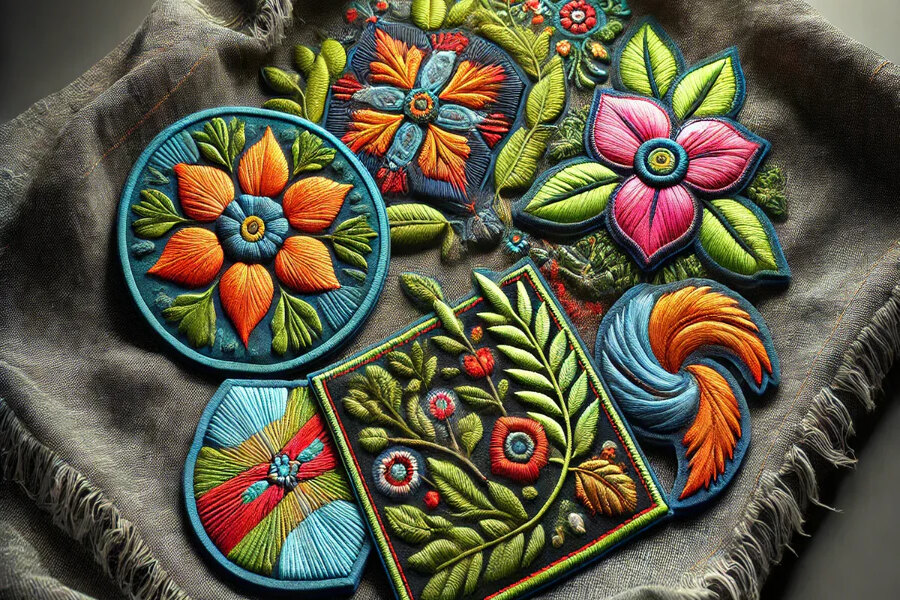
How to Create Eye-Catching Embroidered Patch Designs
Embroidered patches are small pieces of art that people use on jackets, bags, uniforms, and hats. A good patch design can show identity, style, or even tell a small story. In this guide, we will look at simple ideas that help you create eye-catching embroidered patch designs that look clean, creative, and easy to notice.
Think about your jacket or backpack. A colorful patch, which can really catch your eye. It shows your personality, team spirit, or a special message. Designing a patch is not hard. If you have ideas and a bit of creativity, you can make a patch that people will remember.
Why Good Patch Design Matters
A well-designed patch always stands out. It looks clean, clear, and easy to understand.
When a patch design is strong, people notice it quickly. That is why taking a little time to plan the design can make a big difference.
1. Start With a Clear Idea
Before creating embroidered patches, it helps to start with a simple idea. A patch design should always have a clear purpose. Ask yourself what the patch should represent.
For example:
| Patch Type | Idea Behind It |
| Club Patch | Represents a group or team |
| Brand Patch | Shows a logo or brand identity |
| Fun Patch | Creative design for fashion |
| Event Patch | Marks a special event |
When the idea is clear, the design becomes easier.
2. Keep the Design Simple
Small patches cannot show too many details. If a design is too complex, the threads may look messy. Simple designs usually look better.
Here are a few tips:
- Use 2–4 main colors
- Avoid very tiny text
- Choose bold shapes
Clean designs are easier to stitch and easier to see.
3. Choose Colors That Stand Out
Colors play a big role in patch design. The right colors can make a patch look bright and attractive. Try to choose colors that are easy to see. Dark and light colors together often look better. This helps the design stand out from a distance.
For example:
| Color Style | Why It Works |
| Dark background + light text | Easy to read |
| Bright colors | Looks fun and eye-catching |
| Two or three colors | Keeps the design clean |
Too many colors can make the patch look messy. Simple color choices usually look better.
Many designers also work with iron on patches services because these patches are easy to apply to jackets, hats, and bags. A clean design works best when the patch will be used in this way.
4. Pick the Right Shape
The shape of the patch also matters. Different shapes create different looks. Some shapes feel bold, while others feel classic. Here are some common patch shapes:
| Shape | Look and Style |
| Circle | Classic and balanced |
| Rectangle | Good for text or names |
| Shield | Strong and official look |
| Custom shape | Creative and unique |
Choosing the right shape helps the patch match its purpose. For example, sports teams often use shield shapes, while fashion patches may use creative shapes.
5. Add Borders and Small Details
Small details can make all the difference in a patch design. One important detail is the border. A strong border helps the patch look clean and finished. It also stops the edges from looking messy.
You can choose different border styles:
| Border Type | Effect |
| Thick border | Bold and strong look |
| Thin border | Soft and simple look |
| Stitched edge | Classic embroidered style |
Even a simple patch looks better with a neat border. Small details inside the design also matter, but do not add too much. Keep it light and easy to read.
6. Keep the Design Balanced
Balance is very important in patch design. A patch should not feel too empty or too crowded. Everything should look even and be placed properly. A good tip is to think of the patch in your hand. If it feels too busy, remove small details. If it feels too plain, add one simple element like a symbol or shape.
Some designers also make sure their patches are ready for different uses. For example, they may prepare designs that can work with the best embroidered patches in Canada standards, so the quality stays high and the design looks good on clothing or gear.
Make Your Patch Look More Professional
Here are some tips that will help you make your patch give all the professional touches.
1. Keep the spacing clean
Good patch design always starts with spacing. When the text, shapes, and borders are too close, the design looks crowded. It becomes really hard to read. Leaving space makes the text, shapes, and borders clearer and more balanced even from a distance.
2. Think about the patch size
The size of the patch is really important because it decides how detailed the patch design can be. If you have a small patch, it is better to use fewer details. Larger patches can have more detail. You should always think about the size of the badge when you are designing, so it does not look squeezed or unclear.
3. Make the patch easy to read
A strong patch should be understood in a few seconds. If someone has to look long to understand the patch, then the design is too complex. Clear shapes and simple text help the patch message stand out faster.
4. Test the patch design
Before the production of the patch, it is always helpful to test the patch idea. You can draw the patch on paper and create a simple digital version of it. This helps you notice spacing issues and other color problems so you can easily fix them early.
5. Choose the application style for the patch
Not all patches are made the same way. Some patch designs look better with stitching, while others work well with heat press options like iron-on. Choosing the method helps improve both the look of the patch and its durability.
6. Keep one clear design style
Try not to mix too many styles in one patch. A clean design always follows one idea and one visual direction. This keeps the patch neat, focused, and visually stronger.
Final Tips for Better Patch Designs
Here are a few simple tips to remember:
- Keep text short
- Use bold shapes
- Avoid too many colors
- Think about where the patch will be used
- Keep it easy to read
Simple designs often look the most professional.
Frequently Asked Questions
-
What makes an embroidered badge design look good?
A good design is simple and easy to understand. It should not have many small details, and the design should be clear.
-
Can beginners design them?
Yes, beginners can. They can start with shapes and basic colors because easy ideas work well.
-
Where are they usually used?
They are used on jackets, uniforms, bags, hats, and sports gear.
-
Do simple designs look better?
Yes, simple designs do, and they are easier to stitch. Simple designs usually look cleaner and more professional.
Conclusion
Creating embroidered patches is not hard. It takes proper planning and good ideas.
When you think about colors, shapes, and the right balance, your design gets strong. Even small things like borders make a difference. A good patch does not need to be complicated. It needs to be clear and creative.