
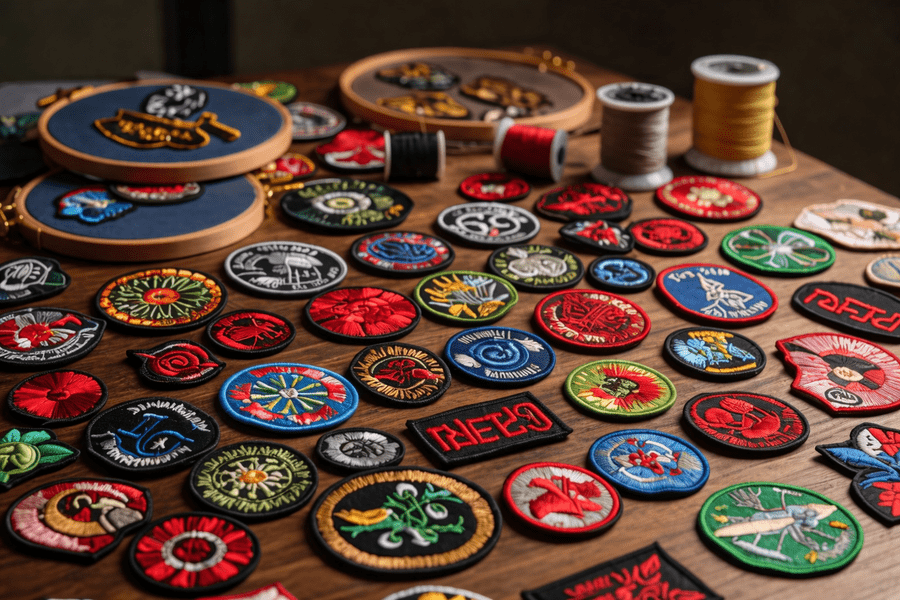
How To Choose The Best Custom Patch Maker in Canada
Customized patches have become a new trend. Many businesses, sports teams, clubs, and even individuals are using them for branding and improving the outfit. The best part is their versatility. Whether it’s for uniforms or fashion, a well-made patch can make everything come together.
But here’s a challenge: finding a reliable patch maker out of the hundreds is more difficult than it seems. Not every supplier delivers the same level of quality, so choosing the right one is super important. If you compromise on it, you may get poor stitching, faded designs, delays, or even wasted money.
But once you look for experience and material usage. Design support, turnaround time, and customer reviews, and you can make a better decision. In this blog, we’ll go over seven simple ways to help you pick the right custom patch maker in Canada. In the end, you will end up with something you’re actually happy with.
What Does a Custom Patch Maker Do?
A good supplier takes your idea or logo and turns it into a patch you like. They create custom patches Canada that can actually be used on clothes, bags, or gear.
They usually offer a few different options, like:
- Embroidered patches: The classic-style emblems with raised stitching
- Woven patches: They are smooth and better for small details.
- PVC patches: Feel tough, rubber-like, and good for outdoor use
- Iron-on patches: They are simple to apply without sewing.
When you get a good patch maker by your side, they will help you pick the right type and tweak the design if needed. All that effort is done, so it comes out the way you pictured.
Seven Ways to Find a Reliable Patch Maker in Canada
1. Check Their Experience and Portfolio
One of the first things you should consider is their experience. A company that has been making patches for years is more likely to deliver exceptional results. They understand how different designs work together and how to handle the tricky orders with complex requirements.
So, it’s ideal to take your time to review their portfolio. Look for:
- Clean stitching and neat finishing
- A variety of patch styles
- Their work across different industries (brands, uniforms, events, etc.)
If they have a strong portfolio, it’s a good sign. You will have a clear idea about how things will go. When the previous work has good remarks and is of high quality, you know you’re in safe hands.
2. Review Material and Patch Options
Every patch is different. The type you pick really depends on how you’re going to use it and for what purposes.
For example:
- Embroidered patches work well for uniforms and classic designs.
- Woven patches are better if your design has small details.
- PVC patches are a good choice for outdoor use or something that needs to last.
A good patch maker will walk you through the options. Instead of leaving you to figure it out, you will be shown the catalogue. From iron-on to PVC patches in Canada, you can get any that you want. They’ll help you choose things like:
- The fabric
- The type of thread
- How the patch will attach (iron-on, Velcro, or sew-on)
Getting this right is super important. It affects how your patches look and how well they hold up over time.
3. Evaluate Design Support
Every client comes in with different ideas. Many come without a ready design. They only have raw ideas in their mind, and that’s totally okay.
A good patch maker will help you bring your ideas to life or even build them from scratch. They can:
- Turn rough ideas into a clean design
- Help you pick the right colors
- Tweak small details so it works well on fabric.
You need to check if they are easy to work with. You should be able to share feedback, ask for changes, and feel heard.
When someone from their team actually works with you during the design stage, the final result usually turns out much better than expected.
4. Compare Pricing and Minimum Order Requirements
Prices are an important consideration. You come with a limited budget, and your patch maker has to cater to that. Cost can vary depending on the supplier. While it’s tempting to go for the cheapest option, it’s important to look beyond just the price.
Pay attention to:
- What’s included in the cost (design, revisions, shipping)
- Minimum order quantities
- Bulk discounts
Sometimes, a slightly higher price means better materials and fine work. It’s always recommended to find a balance between cost and quality so you don’t end up disappointed.
5. Check Turnaround Time and Delivery
If you need patches for an important event and have a strict deadline, you should probably focus on the timings. Instead of thinking about the aesthetics, check whether they can deliver right on time.
Before you order, check:
- How long production takes
- How long will shipping take
- If they offer rush orders
Only a good patch maker will give you a clear timeline and stick to it. Delays can be a headache, especially when you’re on a schedule. So, try your best to go for a reliable supplier with a clear timeline.
6. Read Customer Reviews and Testimonials
Customer feedback paints a clear picture of what a company is really like. Reviews often show things you won’t notice in a portfolio. Things like how they communicate, how reliable they are, and what the overall experience is like.
Always look for:
- Consistent positive reviews
- Comments about good quality
- People mentioning on-time delivery
At the same time, you must watch out for warning signs. Repeated complaints about delays or poor quality are a red flag.
7. Look for Customer Support and Communication
Good communication makes everything easier. From the first message to the final delivery, everything should be seamless. They should be:
- Quick to respond
- Clear in what they’re saying
- Willing to answer your questions
If things already feel slow or confusing at the start, this isn’t a good sign. It usually doesn’t get better later. Try to work with someone who keeps you in the loop about what’s happening with your patch or custom stickers and where it stands. Check if they are listening to your input. It’s crucial, especially for custom work.
Common Mistakes Checklist
| Mistake | Risk |
| Choosing cheapest option | Poor quality |
| Not checking samples | Unexpected results |
| Ignoring reviews | Bad experience |
| Rushing order | Delays or errors |
Frequently Asked Questions
-
How much do custom patches cost in Canada?
The price is usually dependent on factors like size, quantity, material, and design complexity. Ordering in bulk reduces the cost per patch, while detailed designs may cost more than usual.
-
What type of patch is best for my needs?
It totally depends on how you plan to use it. Embroidered ones are great for a classic look, woven patches work for detailed designs, and PVC patches are best for durability.
Wrap Up
It really just comes down to making a smart choice from the start. The process of finding a good patch maker may seem complex, but in reality, it’s super easy. It does require a bit of research.
By checking experience, inquiring about materials, comparing pricing, and paying attention to communication, you can get patch makers that meet your expectations.
Take your time, and don’t rush the decision. With the right patch maker, you’ll end up with something that you love.