

How to Check Sew On Patch Quality Before Buying
Planning to get a sew on patch? Look out for neat stitching along the borders, since loose borders simply mean that the embroidery will easily fray as soon as you sew it onto your favorite outfit.
Choose Patches That Deliver Long-Term Value
If you are purchasing patches for uniforms, clubs, fashion, promotional events, or personal projects, the quality of the patch is always a top priority.
A properly constructed sew-on patch can be used in a professional manner and will withstand normal use and washings.
Bad patches can fade, fray, or become distorted, leading to needless patch replacements and extra expenses.
If you know how to test a patch before buying, you’ll be able to make better choices and get a great value for your purchase.
When selecting patches, you can feel confident in choosing the ones that will last long by focusing on materials, stitching, and craftsmanship.
Check The Strength And Precision Of The Stitching
The stitching of a patch is an easy way to determine its quality. Straight lines and clean stitches are signs of meticulous workmanship and increased longevity.
High-quality embroidered patches offer dense stitching, no loose threads, and no gaps between stitches. The embroidery should be tidy on all sides, and the design should be sharp and clearly defined.
Due to the strong stitching, the patch holds up well with frequent use and is excellent for clothing, uniforms, and accessories.
Verify The Fabric For Long-Lasting Performance
The performance of a patch over time is greatly influenced by the base fabric used. The strong materials are resistant to tearing, stretching, and fading to maintain the original appearance of the patch.
When buying, carefully feel the fabric to make sure it’s sturdy and well-made, not thin or fragile.
A good base will provide better support for the embroidery, and the patch will retain its shape better when worn.
One of the most important things to consider is purchasing quality fabric so your patches can maintain a professional appearance for years.
Review The Patch Border For A Cleaner Finish
The border helps to define the edges of a patch and prevent fraying with normal use. It also contributes to the overall appearance of the finished product.
Search for borders that are well-stitched and even around the whole design.
Whether it has a merrowed or laser-cut border, ensure the edges of a patch are smooth and secure, with no loose fibres or irregular cuts.
The quality of the border will not just last longer, but will also be more attractive.
Ensure That The Colors Are Consistent
Another key indicator of good quality is colour consistency.
Uniform or even colors will help to make a patch look better and easier to identify.
To ensure consistency of the thread colours throughout the design, compare different parts of the patch. When stitched sections are visible, there should be no fading, discoloration, or noticeable differences.
Quality manufacturers also employ colorfast threads, which won’t fade when washed or exposed to sunlight.
Test The Thickness Of The Patch Before Buying
A patch should be strong but not too bulky. The thickness may be an indicator of the quality of the fabric and the stitching.
Balanced sew on patches have a good thickness and will be both durable and comfortable to sew onto a jacket, uniform, bag, or hat.
Thin areas can wear out rapidly; thick ones may be hard to sew cleanly onto clothes.
It is crucial to find the right balance to ensure durability and ease of use.
Check Overall Craftsmanship Before Your Purchase
There is a difference between good materials and a quality patch, and it is this careful craftsmanship that creates the difference.
The overall appearance of the patch gives a look at how well it was produced.
Ensure the design is centered, stitching matches the artwork well, and no defects are visible.
Edges should be crisp, threads should be stitched well, and the completed patch should be well made. These details make all the difference between an average and a quality product.
Test Durability Before Placing A Large Order
When ordering patches in bulk, it’s always a good idea to order a sample first. A sample is used to evaluate quality before a larger purchase.
Look at stitching, fabric, border, and overall look. Gently bending the patch can also be used to test its flexibility and to make sure the embroidery stays in place.
Testing a sample minimizes the chance of getting the products you don’t want.
Select A Reputable Supplier
The best design cannot be implemented by a poor manufacturer.
When it comes to getting patches that meet professional standards, working with a trusted supplier will increase the chances.
Take time to read customer reviews, request samples, and compare previous projects before ordering. Giving the customers an honest idea of the materials used, the manufacturing methods, and the quality control is usually done by experienced manufacturers.
By selecting a reliable supplier, you can feel confident that you are buying the right product, and the entire purchasing process will be enjoyable.
Compare Different Patch Styles For Your Project
Not all projects will need the same kind of patch.
Knowing the difference between available options will help you decide which of the products you choose is the most appropriate.
Custom iron on patches are ideal for promotional products and casual wear because they are easy to put on with minimal effort, while sew-on patches are popular for uniforms and workwear and for garments that are often washed.
By understanding the pros and cons of each style, you can choose the right one for your specific needs, budget, and durability.
Protect Your Patches After Purchase
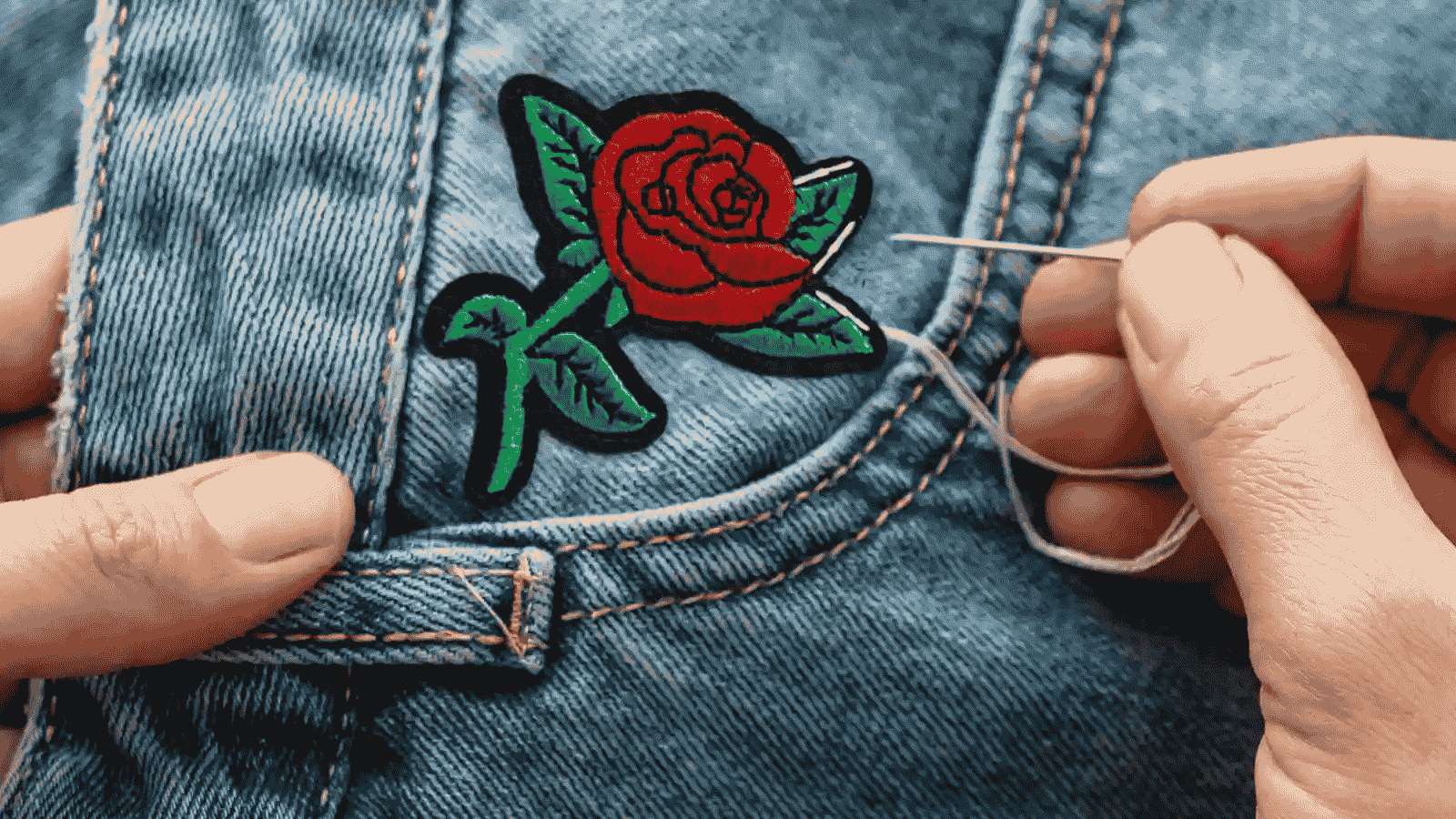
With proper care, sew-on patches can last for many years and will continue to look great.
Clean clothes by following the label instructions, don’t dry too hot, and keep unused patches in a clean, dry area.
Checking for loose threads regularly also enables small repair jobs to be done before bigger issues arise. Caring for patches early preserves your investment and ensures that they look best even after years.
Expert Answers for Choosing High-Quality Sew On Patches
-
What makes a good sew-on patch?
Inspect stitching, material, border, colour uniformity, and quality of construction to make sure that the patch is sturdy, clean, and well made.
-
What is the importance of stitch density in patch quality?
It ensures the stitch is tight and even, resulting in more durable designs and avoiding any gaps or loose ends after regular wear and washes.
-
Will I need to order a sample before ordering in bulk?
Yes. The review of a sample helps to confirm that the quality, materials, colors, and workmanship are good before taking the large-scale production order.
-
What is the most suitable border for sew-on patches?
Depending on the shape and design of your patch, both Merrowed and laser-cut borders are good options, provided they’re done well.
-
Do expensive patches have better quality?
Not always. Consider craftsmanship, materials, and the reputation of suppliers when looking for the best value, rather than just price.
Conclusion
One of the easiest ways to guarantee that you will receive a quality and attractive product is to inspect the quality of a sew-on patch before you buy it.
When looking at stitching, fabric, borders, colours, and overall craftsmanship, you’ll be able to purchase patches that will last for a long time.
Selecting a trustworthy supplier, requesting samples, and thoroughly reviewing all aspects will help you make informed decisions that offer great value.
No matter if you are adding patches to uniforms, branding, or your own personal project, quality patches will remain professional throughout regular use.

I am a creative blog writer at EmbroideredPatch.ca, where I share the blogs about expert insights, design tips, and the latest trends in custom patches and promotional branding. Our goal is to help businesses, clubs, and individuals turn their ideas into high-quality embroidered creations. Our content is written to uncover behind-the-scenes production knowledge, highlight expert design techniques, and share practical tips that help you create patches with confidence and creativity.