
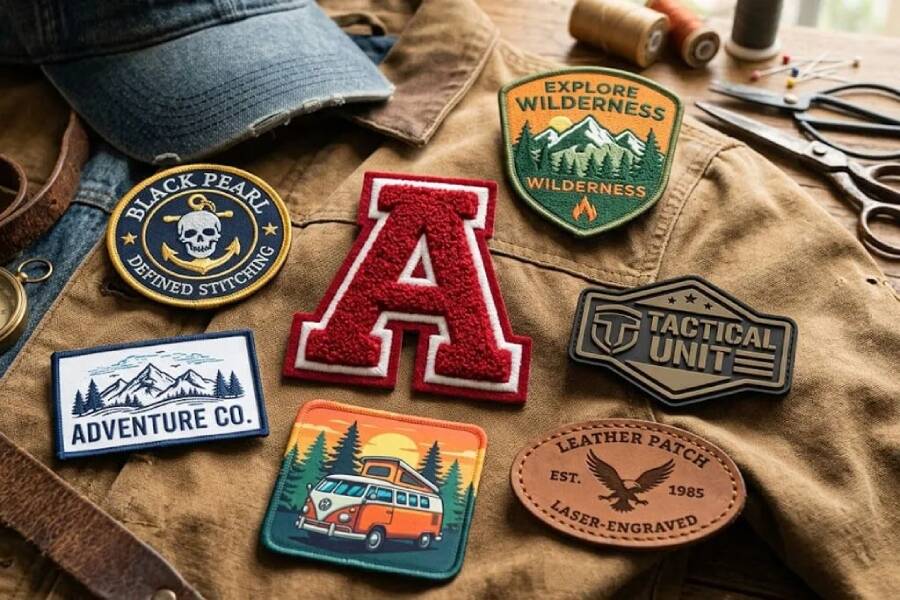
How To Select The Best Materials For Durable Custom Patches
A custom patch is not just a decorative addition to a jacket, backpack, uniform or cap. It can represent a brand, team, organization or personal identity. What happens when a beautifully designed patch starts to fade, peel, fray or lose its shape after regular use? The problem often comes down to material selection.
When you choose the right fabric, backing, thread and finishing components, it can make a significant difference in how long a patch lasts. This guide will walk you through the most important materials and practical steps to help you make a durable and professional-looking choice.
Why Does Material Selection Matter For Custom Patches?
The appearance of custom patches Canada may attract attention, but their construction determines how well they perform over time. Different materials offer different levels of flexibility, weather resistance and durability.
1. Resistance To Daily Wear and Tear
Patches attached to workwear, uniforms and backpacks experience constant friction. Polyester twill and strong embroidery threads are excellent choices because they maintain their structure under regular handling. A tightly woven base can also reduce the chances of stretching and fraying.
2. Maintaining Color and Appearance
Quality materials can help to prevent fading, discoloration and premature deterioration. You should look for colorfast threads and fabrics that can withstand sunlight, moisture and repeated cleaning. Manufacturers can refer to ISO 105-C06 for reliable quality assurance. It is an international standard for evaluating textile colorfastness during domestic and commercial laundering.
Which Materials Are Best For Making Durable Patches?
Each material has its own advantages, that depends on where the patch will be used. Understanding of these differences can make it easier to choose an option that balances appearance, performance and cost.
● Polyester Twill For Everyday Durability
Polyester twill is one of the most practical choices for embroidered patches. Its tightly woven structure can provide a stable surface for stitching and its resistance to shrinking and moisture can help you to maintain its shape. It works particularly well for school uniforms, sportswear, corporate clothing and promotional merchandise.
● Cotton Twill For A Traditional Finish
Cotton twill offers a natural texture and a slightly softer appearance. It is suitable for casual clothing, heritage-inspired designs and decorative applications. Cotton is comfortable and attractive, but it can absorb moisture and may shrink if exposed to excessive heat. You need to consider polyester when long-term exposure to demanding conditions is expected.
● PVC For Waterproof Applications
PVC offers excellent protection for outdoor equipment and products exposed to moisture. These molded patches have a flexible, rubber-like finish and do not have embroidered threads that can unravel. Many businesses choose custom PVC patches for tactical equipment, sports bags, camping accessories and outdoor uniforms because they are easy to clean and retain their raised designs.
● High-Quality Polyester Embroidery Thread
Thread quality is important just as much as the base fabric. Polyester embroidery thread offers good strength, color retention, and resistance to regular washing. Choose tightly stitched embroidery with secure finishing around the edges. This helps prevent loose threads and keeps detailed designs looking neat.
What Steps Should You Follow When Selecting Patch Materials?
Choosing suitable materials becomes much easier when you evaluate your requirements before placing an order. A little planning can help you to prevent unnecessary replacements and production expenses.
1. Identify The Intended Application
You should start by considering where the patch will be attached. A decorative jacket patch may need different materials from one used on industrial uniforms or outdoor backpacks. For example, clothing worn daily benefits from durable fabric and reinforced stitching and equipment exposed to rain needs moisture-resistant construction.
2. Evaluate Environmental Conditions
You can think about the conditions that the patch will face. Will it encounter sunlight, dust, rain, heat or frequent washing? You should prioritize synthetic fabrics, weather resistant finishes and secure attachment methods for outdoor applications. Comfortable textile options may be sufficient for indoor uniforms.
3. Choose The Right Backing
Backing can affect how securely a patch attaches to its surface.
- Sew-on backing: This is a dependable choice for long term attachment.
- Iron-on backing: It is convenient for quick application if the garment can tolerate heat.
- Hook-and-loop backing: This one is ideal for removable patches on tactical clothing and equipment.
- Adhesive backing: It is better suited to temporary applications.
Sewn attachment generally provides greater reliability than adhesive alone for garments that undergo frequent laundering.
4. Check Edge Finishing And Stitch Quality
Premium materials can also fail when the edges are poorly finished. Merrowed borders provide a reinforced perimeter and tightly secured stitching helps prevent unraveling. You should ask the manufacturer about thread density, edge construction and sample inspection before you approve a large production order.
5. Request Samples And Durability Testing
You should never depend on product photographs. It is best to request a physical sample to assess flexibility, color consistency, stitching and backing strength. Manufacturers can also conduct laundering and colourfastness tests with recognized methods such as ISO 105-C06. This can provide you more meaningful evidence of performance than unsupported durability claims.
How Can You Maintain Custom Patches For Longer?
Proper maintenance protects your investment and helps preserve the original appearance of your patches. Even durable materials need appropriate care.
● Follow Appropriate Cleaning Methods
If you want to wash custom patches without damaging their stitching or attachment, you should follow the care instructions of the garment. Turn clothing inside out, use cold water and select a gentle cycle when you opt for machine washing. Avoid harsh bleach and excessive heat. Air drying is generally a safer option for adhesive-backed designs.
● Inspect Attachment And Edges Regularly
Check for lifting corners, loose threads and damaged borders. Addressing minor issues early can help you to prevent more extensive damage. If an iron-on patch begins peeling, you should follow the instructions of the manufacturer for reapplication or reinforce it with stitching when appropriate.
Queries Commonly Asked About Materials For Durable Patches
1. Which one is better choice: embroidered patches or printed patches?
The choice of patches depends on the design and intended application. Embroidered patches provide a textured, traditional appearance and they are suitable for logos and uniforms. Printed patches reproduce gradients, photographs and intricate details more accurately.
2. Can custom patches withstand outdoor weather?
Yes, custom patches can withstand outdoor weather, if you will choose suitable materials. PVC and quality synthetic fabrics are perfect for outdoor applications because they can offer good moisture resistance. It is better to opt for secure stitching and appropriate attachment methods as they contribute to long-term performance.
3. Can patch thickness affect its durability?
The thickness of the patches can influence flexibility, stiffness and overall feel, but thicker does not automatically mean stronger. A properly constructed patch with quality fabric, reinforced edges and suitable backing often performs better than a poorly manufactured and bulky alternative.
4. Which backing is suitable for frequently washed uniforms?
Sew-on backing is generally the most dependable option for uniforms that undergo regular laundering. It can create a mechanical attachment that does not depend entirely on adhesive strength and reduce the likelihood of corners that are peeling away.
5. How to identify a reliable patch manufacturer?
You should look for manufacturers that provide physical samples, clear production details, material specifications and quality-control information. Ask about thread composition, colorfastness, backing options and finishing methods before committing to a bulk order.
Final Thoughts
When it comes to choosing durable patch materials, you do not only need to choose an attractive design. The right fabric, backing, embroidery thread and edge finishing determine how well a patch performs over time. You should consider its intended application, environmental exposure and maintenance requirements before ordering. Request samples and prioritize proven quality standards instead of relying on appearance alone. A carefully constructed patch can help you to represent your brand or organization beautifully for years.

I am a creative blog writer at EmbroideredPatch.ca, where I share the blogs about expert insights, design tips, and the latest trends in custom patches and promotional branding. Our goal is to help businesses, clubs, and individuals turn their ideas into high-quality embroidered creations. Our content is written to uncover behind-the-scenes production knowledge, highlight expert design techniques, and share practical tips that help you create patches with confidence and creativity.