
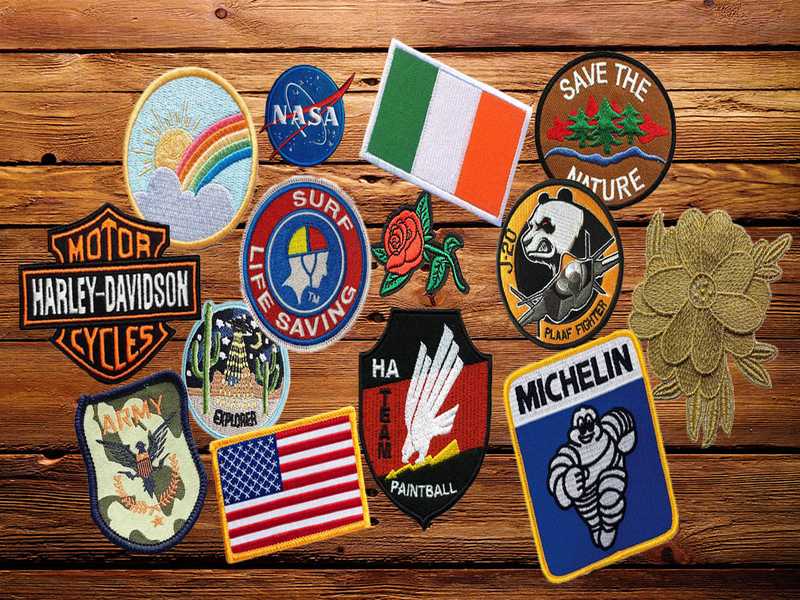
Essential Steps Guide to Make High-Impact Custom Back Patches
Creating custom, unique patches looks simple and easy at first glance. However, it requires a strategic approach to earn high-impact badges that stand out in the crowd. You need to follow the proper steps and choose the right elements. This guide will walk you through the easy and crucial steps to craft a compelling one.
Want to know the tricks behind successful, professional custom emblems that grab the audience’s attention? From design to final production, people are using essential steps to avoid missing a little technique that can undermine the patch’s effectiveness. Let’s get into the eye-catching and legible badge details.
Why Custom Patches Are So Popular
The main role of custom embroidered patches is to grab the attention of the audience. Whether a business, a creator, or a sports team, everyone wants to stand out, and these badges provide instant recognition. The global market for custom emblems is expected to reach $1.38 billion in 2026 and $2.04 billion by 2035, driven by demand for high-quality materials and personalized branding.
Many printing and patches companies are providing easy ways to craft your own with a unique artwork and your vision. Through these ways, everyone can express their identity or fandom with a little statement on the back emblems.
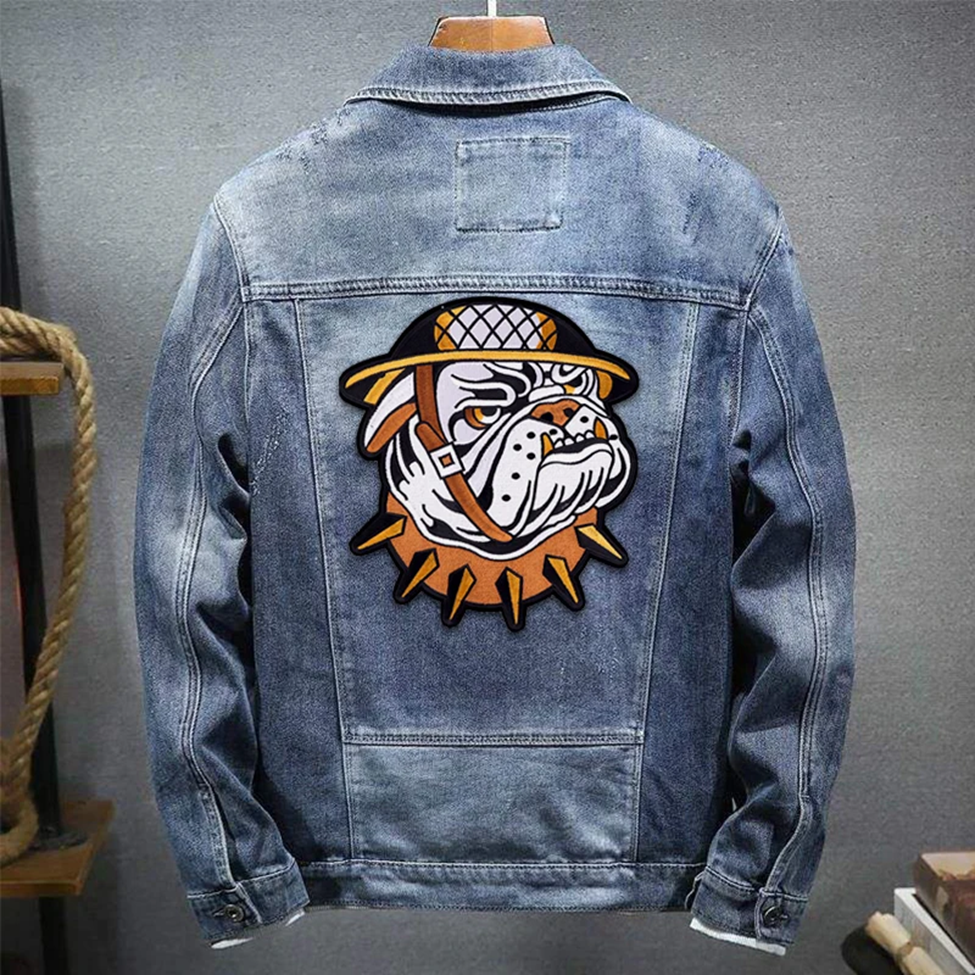
Step-by-Step Process Guide to Create Back Patches
Designing custom badges is fun and easy, and they are also a versatile statement. You can design and convert your artwork into a life vision. Below are the easy steps you need to follow to design the best and most unique back emblems.
1. Find Your Theme
Before designing, you need to identify the purpose. Finalizing the aim will help you design with the details from the initial to the final look.
Find out:
- Who will wear it? Sports teams, street wear, clubs, or musicians.
- What is the vibe? Classic, bold, minimal, or vintage rock.
- What makes it attractive? Colors, shape, or artwork.
2. Design Your Patch
For the maximum impact, use bold lettering and thick lines. Avoid overcrowding the design with too many elements. Keep it simple and clear to ensure legibility and readability even from a distance. Use contrasting colors for texts and background to stand out.
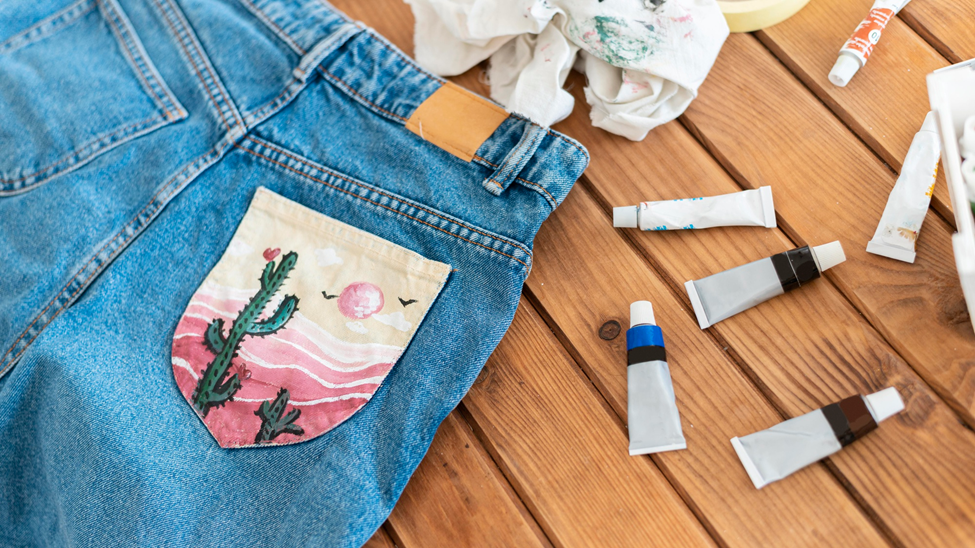
3. Choose the Type of Patches
The type of badges defines the overall look, appearance, and feel. The common badge types are:
- Embroidered Patches: Best for a premium, classic, and textured look.
- Leather Patches: Perfect for a rustic and rugged appearance.
- Woven Patches: Ideal for fine details, intricate designs, and small text.
- PVC Patches: Waterproof and durable, best for 3D and modern look.
4. Type of Backing
The type of backing you choose defines the durability and determines how it is applied. The common options are:
- Iron-On Backing: Most easy way to attach with a heat-activated iron.
- Sew-On Backing: Best for long-lasting and maximum durability, especially for denim and leather.
- Velcro Backing: Ideal for the one that needs to be removed or repositioned.
5. Select the Right Shape and Size
Don’t just stick to simple round and square shapes. Choosing custom patches makes them eye-catching and attracting for the consumers. Pick the right size to not overcrowd the design. Large ones are suitable for the highly intricate and detailed designs, while smaller ones are ideal for bold and simple elements.
6. Choose the Right Manufacturing Partner
After finalizing your design, it’s time to choose a reputable manufacturer to get high-quality, clean products. To select the manufacturer, consider:
- Portfolio Samples
- Their experience with the type of badges you need.
- Can they handle bulk orders within your deadline?
7. Finalize the Product
Check a sample of your design before ordering a bulk order to confirm size, quality, and colors. Define your goals, type of material, and backing to ensure the best final product.
8. Attach and Good Care
When you get your back patches Canada, attach them. For longevity, use the sew-on method, especially for large emblems. Wash in cold water, turning the garment inside out.
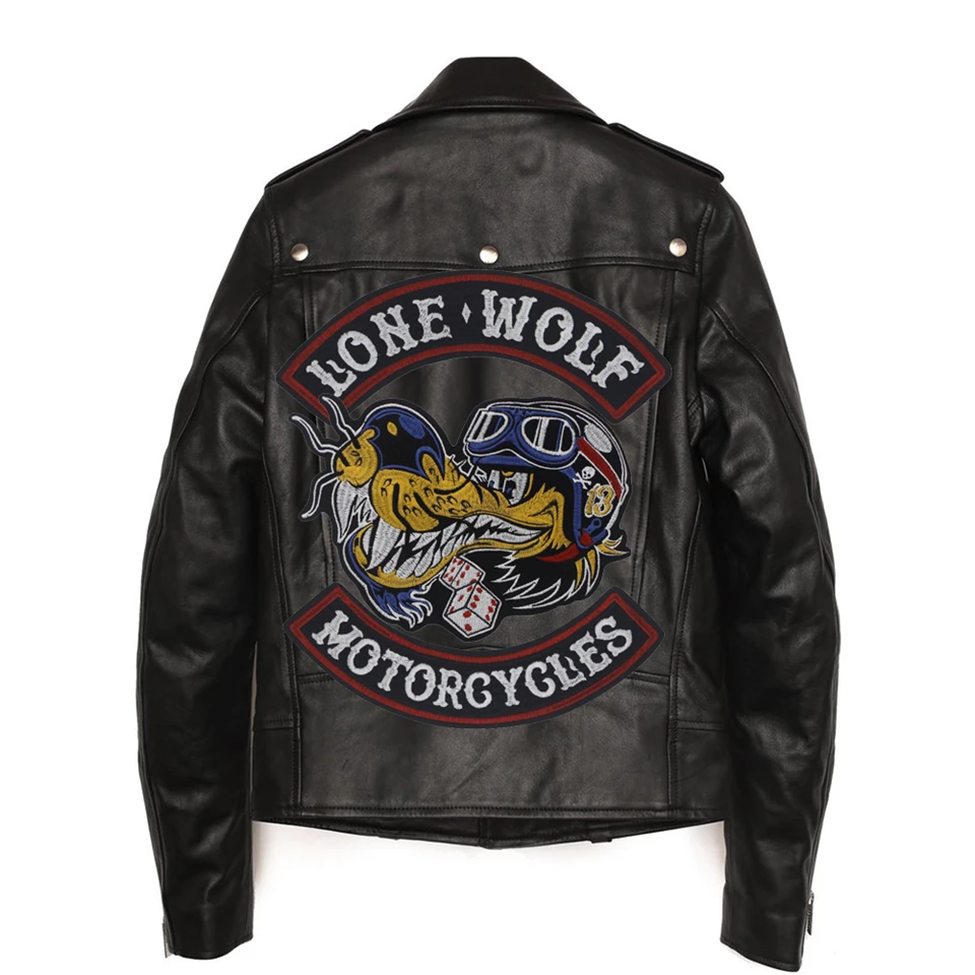
Key Trends of Custom Patches
Custom back emblems have evolved from simple identification tags to versatile statements for branding, personalization, and fashion expression.
● Retro and Vintage
The style of the 60s and 70s has come back through classic rock bands, old-school logos, and large cartoon characters, with a modern touch.
● Textured and 3D Effect
Use of chenille (fuzzy and letterman style), rhinestones, and 3D puff embroidery add a depth and quality to back patches.
● Minimal Aesthetics
People are now opting for sleek and modern aesthetic designs with simple and clean lines, monochromatic color, and large, bold lettering.
● Sustainability
Eco-conscious consumers are preferring a shift towards sustainable materials. The use of organic cotton threads and recycled fabrics is appealing to the environment.
Common Uses of Emblems
Custom patches are now popular for various purposes, from branding to street wear, serving as a key tool for building identity and expanding the global market.
1. Corporate Branding and Uniforms
Brands are enhancing their corporate uniforms with high-quality logo back emblems to enhance professionalism and serve as advertisements for brand recognition.
2. Street wear And FashionClub And Sports Identity
People are transforming their plain, simple clothes and shoes with personalized, ironic, and artistic designs to stand out.
3. Club And Sports Identity
Applying patches to the vests and uniforms of a sports team or club for identity, rank, achievements, or to signify membership.
4. Pop Culture and Merchandising
Offering a limited edition of collective items created for fans of movies, sports teams, TV shows, bands, or internet memes.
Frequently Asked Questions
1. What is the most effective way to attach large back patches?
Sewing is the most suitable method for attaching the large patch. The best way to attach them is to use the iron-on method to position them, followed by the sew-on to ensure a high level of security.
2. How to avoid the patches from fraying?
It is essential to use a thick and tight satin stitch border and opt for a hot knife or lighter to cauterize the edges after the trimming process.
3. How to choose the right size for the back patches?
Choosing the right size involves balancing the available space on the garment with the design’s complexity. Opt for a 10-12-inch standard size for the jacket and varsity, and 5-7 inch size for accent purposes.
Key Takeaway
Designing an ideal patch requires creativity and attention to detail for a high-end product, but following the steps above can help you achieve the best personalized badges. They have become so popular that businesses are using them to catch the crowd’s attention.
You need to find your ideal theme and then design the artwork without overwhelming it. Choose the right type of material and backing according to your patch. Select the right and unique shape with the standard size. Pick a professional, experienced manufacturer for production. Finalize the product, attach it to your apparel, and take good care.
Emblems are revolutionizing in 2026 with smart trends that include a vintage look, textures and 3D effects, minimal aesthetics, and sustainability. Common uses include corporate branding, streetwear, club and sports identity, and pop culture merchandise.